 George
 Ever thought about how a police officer’s quick choice can change a simple traffic stop into a big deal? The process of deciding to arrest someone for DUI is very complex. It involves legal rules and careful checks that go beyond just stopping a car.
Police officers face a tough job when they decide to arrest someone for DUI. They have to look at many things, like keeping everyone safe and respecting people’s rights. They use their skills, science, and good judgment to make big decisions.
Learning about this helps us understand how police handle DUI cases. Every stop is a chance for them to check risks, follow laws, and keep the community safe.
Key Takeaways
- DUI arrest decisions involve gathering lots of evidence
- Police officers use many ways to check things during stops
- Legal rules help guide arrest decisions
- How well-trained an officer is affects their decisions
- Keeping everyone safe is the main reason for DUI checks
Understanding Arrest Decision Processing
Police officers use a careful method to decide if someone should be arrested for DUI. They look at legal rules and safety. They think deeply about each case.
What Defines the Arrest Decision Process
DUI police start by watching how a driver acts. They check a few important things:
- How the driver moves the car
- How the driver looks and acts
- How well the driver does on field tests
- The results of breath tests
Critical Importance of Arrest Evaluation
The arrest process is key for safety and rights. It makes sure only really drunk drivers get in trouble. Officers need strong evidence before they arrest someone.
Factors Influencing Arrest Decisions
Many things affect DUI police choices. These include:
- The officer’s training
- The rules of their department
- How drunk the driver seems
- The situation around the stop
Looking at all these helps make sure DUI laws are followed fairly.
The Role of Police Discretion in DUI Cases
Police officers are key in the DUI legal process. They make tough choices that keep us safe and protect our rights. Understanding police discretion helps us see how they handle DUI situations.
When checking for DUI, officers look at many things. They make choices that are not always easy to see.
Defining Police Discretion in DUI Scenarios
Police discretion is when officers use their judgment in criminal cases. In DUI cases, they look at:
- How the driver acts and looks
- How safe the community is
- The details of the traffic stop
- Any signs of being too drunk to drive
The Importance of Officer Training
Good training helps officers spot DUIs. They learn to see small signs of being drunk and know the law well.
| Training Focus Area | Key Skills Developed |
|---|---|
| Field Sobriety Assessment | Recognizing physical impairment signs |
| Legal Evidence Collection | Proper documentation and testing procedures |
| Interpersonal Communication | Managing potentially volatile interactions |
Balancing Safety and Rights
Officers have to balance keeping us safe with our rights. The DUI legal process needs strict rules and careful thought about our freedoms.
Good law enforcement is about keeping us safe but also respecting our rights. It’s a fine line they walk in DUI cases.
Common Signs of Impaired Driving
Police look for many signs to find drivers who might be drunk. They do this to keep everyone safe and stop bad things from happening on the road.
Behaviors Indicative of DUI
Officers check for certain driving habits that show a driver might be drunk. These signs include:
- Weaving between traffic lanes
- Inconsistent speed fluctuations
- Erratic braking or acceleration
- Driving significantly below posted speed limits
- Inappropriate responses to traffic signals
Physical Indicators of Impairment
Police also look for physical signs that might show a driver is drunk:
| Physical Indicator | Potential Significance |
|---|---|
| Slurred speech | Strong evidence of alcohol consumption |
| Bloodshot eyes | Possible sign of substance influence |
| Unsteady balance | Indication of motor skill impairment |
| Strong alcohol odor | Direct suggestion of recent drinking |
Environmental Factors Affecting Perception
Context matters when checking if a driver might be drunk. Police think about things like:
- Time of day (late night hours increase suspicion)
- Weather conditions
- Location (near bars or entertainment districts)
- Traffic density
Knowing these signs helps police and the public stay safe. It makes the roads safer for everyone.
Legal Standards for DUI Arrests
DUI law enforcement has rules to keep everyone safe and protect rights. It’s important for police and citizens to know these rules well.
In the U.S., DUI arrest rules are strict and clear. Each state has its own rules, but some things are the same everywhere.
Overview of DUI Laws Nationwide
When police think someone might be driving drunk, they must follow certain steps. These steps include:
- Blood alcohol concentration (BAC) limits
- Reasonable suspicion for traffic stops
- Standardized field sobriety testing
- Documentation requirements
The Concept of Probable Cause
Probable cause is a big deal in DUI laws. Police need objective evidence of drunk driving before they can arrest someone. This rule helps keep people safe and stops unfair arrests.
Consent and Breathalyzer Tests
Breathalyzer tests have their own set of rules. Most places say drivers agree to tests by driving. If you refuse, you might lose your license right away.
For DUI arrests to be fair, police must follow the rules closely. This way, they can keep everyone safe while also protecting people’s rights.
The Impact of Breathalyzer and Field Sobriety Tests
DUI tests are key for police to check if drivers are too drunk to drive. These tests help officers decide if they should arrest someone. They make sure the decision is fair.
Field sobriety and breathalyzer tests are very important. They help police find out if someone is driving drunk. Police follow strict rules to check how well a driver can move and think.
How Breathalyzer Tests Function
Breathalyzers check how much alcohol is in your breath. They find alcohol molecules quickly. This tells police if you might be too drunk to drive.
- Infrared spectroscopy technology
- Fuel cell sensor mechanisms
- Digital BAC measurement
Standard Field Sobriety Assessment Techniques
Police use special tests to see how well drivers can move and think. These tests help them figure out if someone is too drunk to drive.
| Test Type | Assessment Criteria | Key Observations |
|---|---|---|
| Walk-and-Turn | Balance and instruction following | 8 specific performance indicators |
| One-Leg Stand | Physical stability | 30-second balance maintenance |
| Horizontal Gaze Nystagmus | Eye movement tracking | Involuntary eye jerking patterns |
Consequences of Test Refusal
If you don’t take DUI tests, you could face big legal problems. Most places will take away your driver’s license right away. It’s very important to cooperate with police during stops.
- Immediate driver’s license suspension
- Potential criminal charges
- Enhanced legal penalties
Knowing about these tests helps drivers understand why it’s so important to drive safely and follow the law.
The Role of Evidence in DUI Arrests
When police make DUI arrests, evidence is key. It helps decide if someone can be held. Knowing your rights and defense steps is important for both officers and those arrested.
Officers collect and document many types of evidence during DUI stops. The quality of this evidence can greatly affect the arrest and legal process.
Critical Evidence Types in DUI Cases
- Breathalyzer test results
- Field sobriety test performance
- Officer’s written observations
- Vehicle operation patterns
- Physical appearance and behavior
Documenting Officer Observations
Good documentation is key in DUI cases. Police must write down all they see and hear. This includes how someone acts and performs in tests.
| Evidence Category | Importance in DUI Arrest |
|---|---|
| Breathalyzer Readings | Primary scientific measurement of impairment |
| Field Sobriety Tests | Demonstrates physical and cognitive impairment |
| Witness Statements | Corroborates officer’s observations |
Gathering Witness Statements
Witness statements add more to the case. They can help support the officer’s view.
Collecting all evidence is important. It makes sure everyone’s rights are respected and keeps everyone safe.
Community Influence on Arrest Decisions
The DUI legal system depends a lot on how communities feel and think. Local views shape how police handle drunk driving cases.
Community programs help a lot by working together with police and people. They help stop drunk driving before it starts.
Local Attitudes Toward DUI Enforcement
Different places have their own ways to deal with drunk driving. Important things that affect local views include:
- How many drunk driving cases there have been
- What people think is important for safety
- How people see drinking alcohol
- How involved the community is
The Role of Community Programs
Good community programs can change how arrests are made by:
- Teaching people about the dangers of DUI
- Helping to stop drunk driving before it happens
- Making sure people are held accountable
- Offering other ways to get around
Good community work shows how working together can cut down on drunk driving. It makes everyone safer.
The Effects of DUI Arrests on Individuals
A DUI arrest can change a person’s life a lot. It brings big legal and social problems. These problems last long after the arrest.
The legal troubles from a DUI arrest can last a long time. People face many challenges that affect their future:
- Potential jail time ranging from days to months
- Substantial financial penalties and court costs
- Mandatory alcohol education programs
- Temporary or permanent driver’s license suspension
Legal Ramifications of DUI Arrest Criteria
DUI arrest criteria lead to many legal problems. Criminal records from these arrests can hurt job chances, licenses, and school options. Background checks often show these records, blocking important life paths.
Social Stigma and Personal Impact
People who get DUIs also face big social challenges. Reputational damage can hurt personal and work relationships. It also affects how people see you in the community. The mental stress of dealing with these issues can be very hard.
Knowing how DUIs affect people shows why driving safely is so important. It’s key to make smart choices while driving.
Procedures Following a DUI Arrest
When a DUI arrest happens, things get very complex. Knowing the DUI arrest steps helps people get through tough times after a stop.
The DUI legal process has many important steps. These steps protect the arrested person’s rights and make sure police follow the rules.
Initial Processing and Booking
After a DUI arrest, police usually do these things:
- Take the person to the police station or jail
- Write down personal info
- Take fingerprints and photos
- Collect and list personal items
Individual Rights During Arrest
People arrested for DUI have important rights:
- Right to stay silent
- Right to a lawyer
- Protection from saying things that could hurt them
- Can ask for a lawyer
Bail and Possible Release
How someone gets out of jail depends on many things. This includes past crimes, blood alcohol level, and local rules. Bail costs change based on the DUI’s seriousness and the person’s past.
Understanding the DUI legal steps is key. Knowing your rights is also very important during a tough legal time.
Consequences of a DUI Conviction
A DUI conviction can change your life a lot. It affects your personal and work life in big ways. It’s not just about the arrest.
When police review DUI evidence, they look at many things. The time of the DUI arrest is very important. It can change how bad the penalties are.
Criminal Penalties for DUI
DUI penalties can be big and different in each state. You might face:
- Monetary fines from $500 to $2,000
- Jail time from 48 hours to 6 months
- Alcohol education programs
- Probation
- Community service
Impacts on Employment and Licensing
A DUI can hurt your job chances. Many jobs check your background. This can make it hard to find work.
| Professional Area | Potential Impact |
|---|---|
| Commercial Driving | License suspension or revocation |
| Professional Licensing | Disciplinary action or certification denial |
| Background-Sensitive Careers | Reduced employment opportunities |
There are more problems too. You might see higher insurance rates, travel limits, and a bad social image from a DUI.
Understanding and Challenging DUI Arrests
DUI charges can be tough to deal with. Law enforcement takes these cases very seriously. Knowing your rights and possible defense strategies can help a lot.
When you face DUI charges, you have important options. These can help protect your rights and challenge the arrest.
Common Defense Strategies
Good defense strategies in DUI cases often question the evidence and how the arrest was made. Some main ways include:
- Questioning the accuracy of breathalyzer tests
- Challenging how field sobriety tests were done
- Looking into if the police had a good reason for the stop
- Checking if any equipment failed
- Looking at medical issues that might affect test results
The Role of Legal Representation
Having a good lawyer is key in DUI cases. A skilled attorney can:
- Look closely at your DUI arrest
- Find weak spots in the prosecution’s case
- Work on possible plea deals
- Make sure your rights are protected
Knowing about DUI laws and defense strategies can really help your case. Getting a lawyer fast after your arrest is very important for a strong defense.
Statistics on DUI Arrests in the U.S.
Understanding DUI arrest protocol needs a deep look at drunk driving in the U.S. The data shows how big the problem is and its effects.
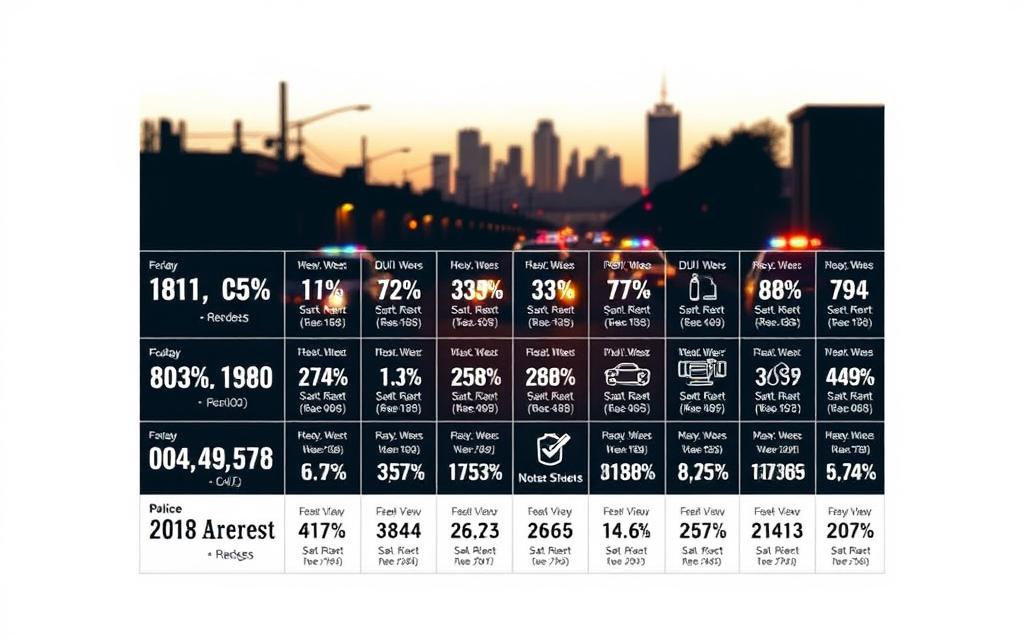
The numbers show a serious problem with DUI. Law enforcement has changed how they handle it over the years.
Recent Trends in DUI Arrests
- Every year, 1.5 million drivers get arrested for DUI.
- Drunk driving causes nearly 30% of all traffic deaths.
- Young adult males are most likely to get arrested for DUI.
Demographics of DUI Offenders
| Age Group | Percentage of DUI Arrests | Risk Factor |
|---|---|---|
| 21-34 years | 37% | Highest risk group |
| 35-49 years | 29% | Moderate risk |
| 50+ years | 15% | Lower risk |
The data shows important patterns in who gets arrested for DUI. Men are much more likely to get arrested for DUI. They make up about 75% of DUI arrests.
By tracking these numbers, police can make their DUI arrest plans better. They can also come up with ways to stop more people from driving drunk.
The Role of Technology in DUI Enforcement
Technology is changing how police fight DUI. It gives them new tools to find and stop drunk drivers. This has made preparing for DUI cases much better.
New ways to catch drunk drivers use advanced tech. This tech is more accurate and quick than old methods. Police are using new tools to check drivers better.
Advancements in DUI Testing Technology
There are many new tech tools for DUI detection:
- Advanced portable breathalyzer devices with digital accuracy
- Smartphone-compatible breathalyzer attachments
- Infrared spectroscopy for quick substance checks
- Drugged driving detection kits
The Future of DUI Detection
New tech will make finding drunk drivers even better:
| Technology | Potential Impact |
|---|---|
| In-vehicle alcohol sensors | Automatic vehicle stop if drunk |
| Wearable impairment detection | Checks blood alcohol level in real time |
| AI-powered roadside screening | Uses smart algorithms for better checks |
These new tech tools are a big step forward. They help find drunk drivers better and protect people’s rights.
Community Responses to DUI Arrests
Communities are key in fighting driving under the influence. They use programs to lower DUIs and make roads safer.
Local groups are fighting drunk driving with strong efforts. They use many ways to stop DUIs and keep roads safe.
Advocacy for Safer Roads
People in the community are working hard for safer roads. They push for better DUI laws and enforcement. Their efforts include:
- Public awareness campaigns
- Supporting legislative changes
- Promoting responsible drinking behaviors
- Implementing local educational programs
Programs for Substance Abuse Prevention
Stopping substance abuse needs many steps. Good programs include:
- School-based education initiatives
- Counseling and support services
- Peer intervention programs
- Rehabilitation resources
Local groups have come up with new ways to fight substance abuse and lower DUIs.
| Prevention Strategy | Target Group | Key Impact |
|---|---|---|
| Peer Education Programs | High School Students | 20% Reduction in Risky Behaviors |
| Community Counseling | At-Risk Individuals | 35% Decrease in Repeat Offenses |
| Workplace Awareness | Working Adults | 25% Improved Understanding of Risks |
Working together, law enforcement, community groups, and local governments can make a big difference in stopping DUIs and keeping everyone safe.
Trends in DUI Legislation
The way we handle DUI arrests is changing a lot in the United States. Police need to keep up with new laws that affect how they make DUI arrests.
Recently, there have been big changes in how states deal with drunk driving:
- Lowering legal blood alcohol concentration (BAC) thresholds
- Implementing stricter penalties for repeat offenders
- Expanding ignition interlock device requirements
- Increasing use of technology in arrest decision processing
Emerging Legislative Approaches
States are getting more active in fighting drunk driving. Innovative legislative strategies now aim to prevent and help, not just punish. Some places are trying new ways to fight DUI.
Future Predictions for DUI Laws
Experts think DUI laws will keep getting better. Here are some possible changes:
- More detailed drug testing
- Advanced tech for screening
- Better rehab programs
- Tougher penalties for first-time offenders
DUI laws are getting better to keep everyone safe. Police must be ready for these changes to make fair arrests.
Resources for Those Facing DUI Charges
Dealing with DUI police decisions and arrest procedures is tough. It’s important to know about the help and support available.
When you face DUI arrest procedures, you have important support options:
Local Support Organizations
- Substance Abuse Counseling Centers
- Legal Aid Clinics
- Community Rehabilitation Programs
- DUI Support Groups
Legal Resources and Guidance
Finding the right lawyer is key when facing DUI charges. Look for DUI defense lawyers with good results.
| Resource Type | Key Considerations |
|---|---|
| Legal Consultation | Free initial consultations, specialized DUI expertise |
| Online Legal Platforms | Verified attorney profiles, client reviews |
| State Bar Referral Services | Qualified DUI defense attorneys |
Getting help from professionals can really change the outcome of DUI cases.
Conclusion: Understanding Arrest Decision Processing
The DUI legal process is very important. It mixes public safety with personal rights. Police officers have a tough job. They must use science, law, and protect the community.
Research from the Police Services Study shows how hard these moments are. They happen during traffic stops and when someone might be driving drunk.
Looking at DUI evidence is key to fair policing. Police need to keep learning and using new tools. They aim to keep everyone safe and protect rights.
Getting the community involved is also important. People can help by learning about DUI and being careful. Together, we can make roads safer.
As things change, so must DUI enforcement. New tech, training, and smart policies will help. This will keep our roads safer for everyone.